
Introduction
Cairo stands as a cultural crossroads where ancient pharaonic artifacts meet cutting-edge contemporary art. This city houses treasures that span 5,000 years of human civilization. Moreover, vibrant Cairo museums and art galleries showcase Egypt’s modern artistic revolution alongside timeless masterpieces.
The world’s most famous archaeological collections call Cairo home. Meanwhile, innovative art spaces challenge traditional boundaries and spark creative conversations. Furthermore, these Cairo museums and art galleries offer experiences that rival any global cultural capital.
From Tutankhamun’s golden treasures to provocative street art installations, Cairo’s cultural landscape never disappoints. Each institution tells unique stories about Egypt’s past, present, and future. Beyond antiquities, the city’s contemporary art scene pulses with energy that surprises many visitors.
This comprehensive guide reveals the top 10 must-visit cultural destinations in Cairo. Whether you seek ancient wonders or avant-garde exhibitions, these carefully selected venues deliver unforgettable experiences. Moreover, insider tips help you maximize each visit and discover hidden gems that guidebooks often miss.
Ready to embark on Cairo’s ultimate cultural journey? Let’s explore institutions that preserve Egypt’s heritage while celebrating its artistic evolution.
1. Egyptian Museum: Tahrir Square’s Legendary Treasure House
Home to Pharaonic Wonders
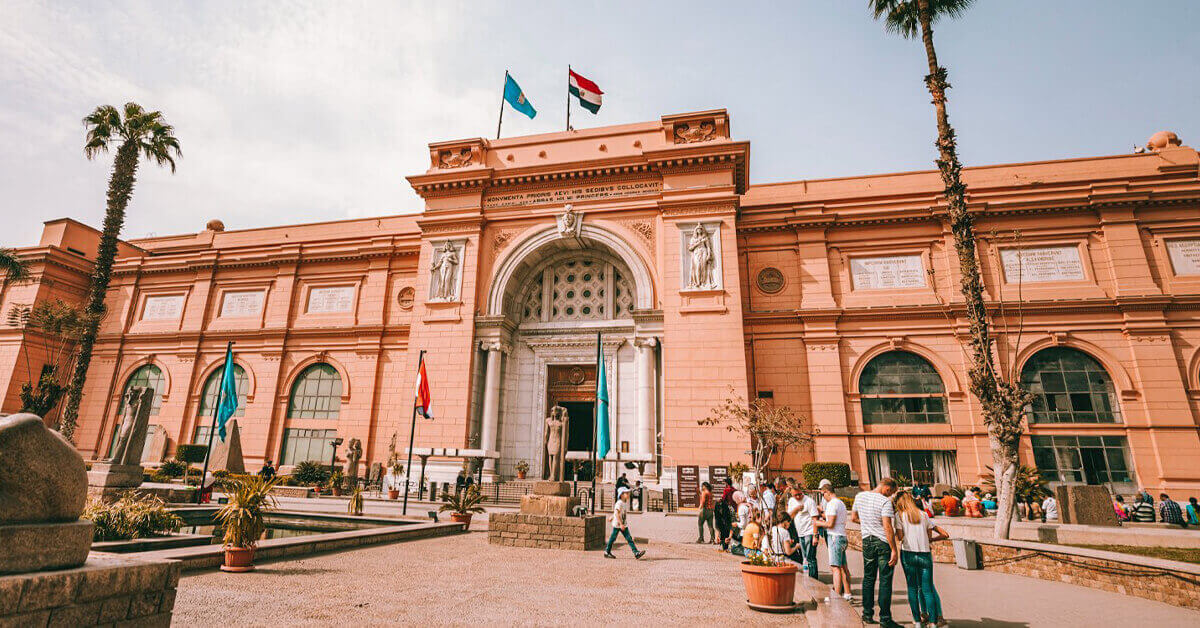
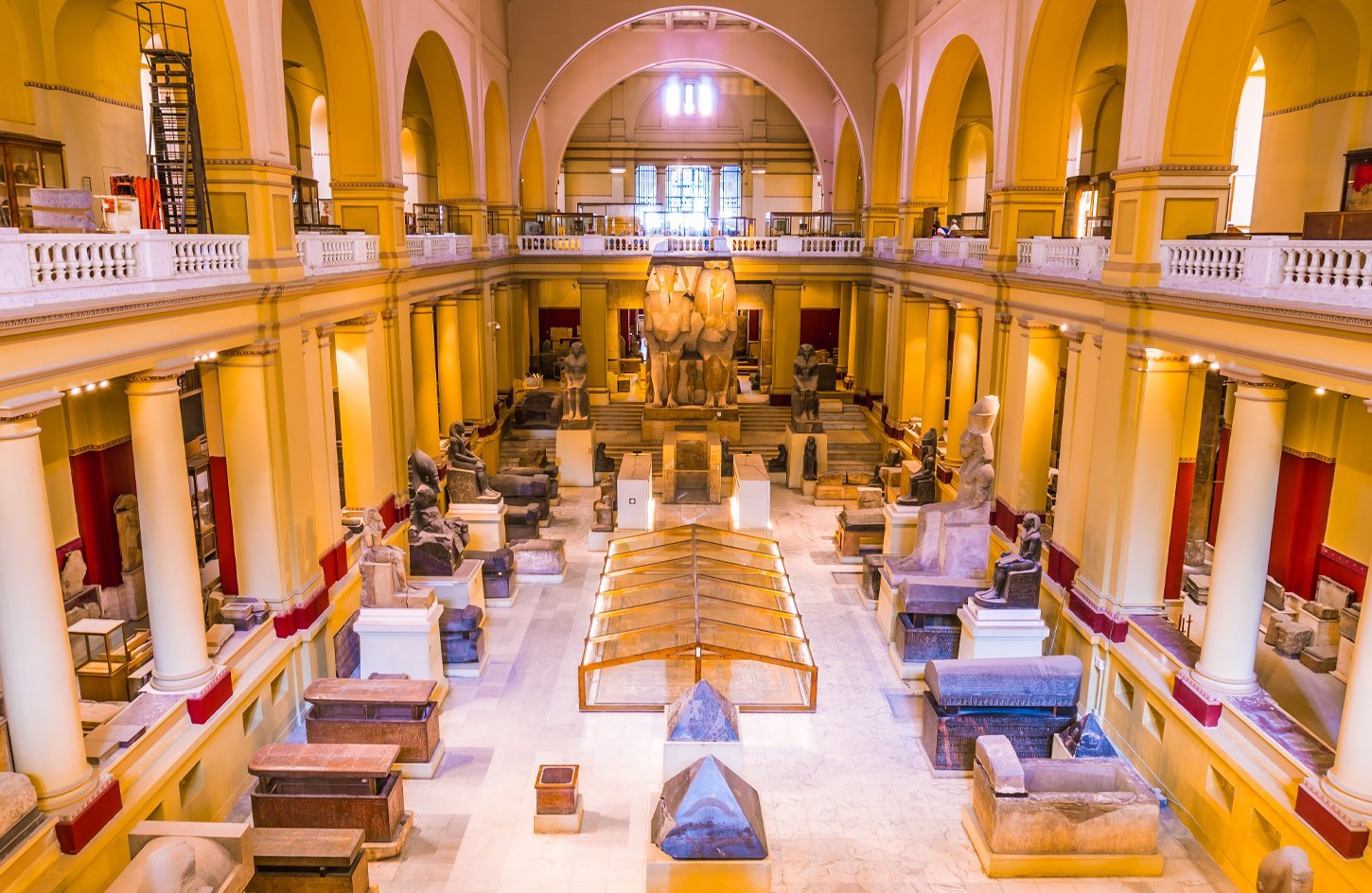
The Egyptian Museum has captivated visitors since 1902 with the world’s most extensive collection of ancient Egyptian artifacts. This neoclassical building houses over 120,000 items spanning 5,000 years of pharaonic history.
Giovanni Battista Belzoni and Auguste Mariette assembled these incredible collections during the 19th century. Their dedication preserved treasures that might have been lost forever. Furthermore, the museum’s location in Tahrir Square places it at the heart of modern Egyptian history.
The building itself reflects European colonial architecture adapted for Egypt’s climate. High ceilings and spacious galleries create perfect environments for displaying ancient masterpieces. Meanwhile, natural lighting enhances the golden glow of pharaonic jewelry and ceremonial objects.
Essential viewing list:
- Royal mummy rooms – Pharaohs including Ramses II and Hatshepsut
- Narmer Palette – Ancient Egypt’s first historical document
- Akhenaten sculptures – Revolutionary art from the heretic pharaoh
- Ancient jewelry collections – Intricate goldwork spanning dynasties
Pro tip: Visit early morning or late afternoon to avoid tour group crowds. Photography tickets cost extra but capture memories worth the investment. Moreover, guided tours reveal stories that static displays cannot convey.
2. Museum of Islamic Art: Medieval Masterpieces in Bab El-Khalq
Celebrating Islamic Artistic Heritage
The Museum of Islamic Art showcases the Islamic world’s artistic achievements across 1,400 years. This institution houses rare manuscripts, intricate metalwork, and stunning ceramics from across the Muslim world. Furthermore, the collection represents artistic traditions from Spain to Central Asia.
Renovated after 2014 bomb damage, the museum reopened with state-of-the-art displays and climate control systems. Modern presentation techniques highlight the beauty of Islamic calligraphy and geometric patterns. Moreover, interactive displays explain artistic techniques and cultural contexts.
The museum’s architecture blends Islamic motifs with contemporary design elements. Mashrabiya screens filter light while maintaining traditional aesthetics. Meanwhile, spacious galleries allow proper appreciation of large carpets and architectural elements.
Calligraphy, Ceramics, and Hidden Gems
The museum’s manuscript collection includes some of Islam’s most beautiful Quran copies. Master calligraphers created these works using gold ink and precious pigments. Additionally, Persian miniature paintings demonstrate narrative art’s sophisticated development.
Unmissable collections:
- Mamluk metalwork – Inlaid brass and silver masterpieces
- Ceramic collections – Lustrous pottery from across the Islamic world
- Rare manuscripts – Illuminated Qurans and scientific texts
- Traditional weapons – Decorated swords and ceremonial daggers
- Architectural elements – Carved stone and wood panels
Hidden gem: The museum’s rooftop café offers panoramic views of Islamic Cairo’s minarets and domes. Moreover, the gift shop stocks authentic reproduction crafts made by local artisans.
3. Coptic Museum: Christian Egypt’s Treasures in Old Cairo
Preserving Early Christian Heritage
The Coptic Museum preserves Egypt’s Christian artistic heritage within Old Cairo’s historic walls. This collection spans early Christianity’s development in Egypt through the Islamic period. Moreover, the museum occupies buildings that blend Coptic architectural elements with modern display techniques.
Marcus Simaika Pasha founded the museum in 1908 to preserve Coptic Christian artifacts threatened by neglect and export. His vision created Egypt’s first museum dedicated to Christian heritage. Furthermore, the collection demonstrates Christianity’s deep roots in Egyptian culture.
The museum’s location within Fortress of Babylon ruins adds historical authenticity. Ancient Roman walls incorporate into modern galleries. Meanwhile, the nearby Hanging Church and Ben Ezra Synagogue create a comprehensive religious heritage district.
Manuscripts, Textiles, and Architectural Wonders
The museum houses the world’s finest collection of Coptic textiles and manuscripts. These artifacts reveal sophisticated artistic traditions that influenced both Islamic and European medieval art. Additionally, early Christian iconography demonstrates theological concepts through visual art.
Essential collections:
- Illuminated manuscripts – Early biblical texts with stunning illustrations
- Coptic textiles – Intricate weavings with Christian symbolism
- Wooden architectural elements – Screens and panels from ancient churches
- Metalwork and jewelry – Christian symbols in precious materials
- Stone sculptures – Early Christian reliefs and funerary monuments
Cultural insight: Many artifacts demonstrate the blending of pharaonic symbols with Christian imagery. This syncretism reveals how early Egyptian Christians adapted existing cultural traditions to new religious contexts.
4. Townhouse Gallery: Contemporary Art’s Urban Laboratory
Cairo’s Premier Contemporary Art Space
Townhouse Gallery pioneered Cairo’s contemporary art scene when it opened in 1998. This innovative space occupies a renovated traditional house in downtown Cairo. Moreover, the gallery consistently presents challenging exhibitions that address social and political themes.
The gallery operates as both exhibition space and artist residency program. International and Egyptian artists collaborate on projects that explore contemporary Middle Eastern issues. Furthermore, Townhouse Gallery maintains strong connections with global art networks while remaining rooted in local contexts.
The building’s traditional architecture creates intimate viewing environments. Mashrabiya screens and courtyards provide contemplative spaces between gallery rooms. Meanwhile, the rooftop terrace hosts opening receptions and artist talks under Cairo’s starlit sky.
Cutting-Edge Exhibitions and Artist Programs
Townhouse Gallery presentations often provoke discussion about censorship, identity, and social change. The gallery’s commitment to artistic freedom occasionally creates controversy. Additionally, their educational programs engage Cairo’s emerging artists through workshops and mentorship opportunities.
Gallery highlights:
- Rotating exhibitions – New shows every 6-8 weeks featuring regional and international artists
- Artist residencies – Live-work spaces for visiting creators
- Educational workshops – Programs for emerging artists and students
- Opening receptions – Network with Cairo’s cultural community
- Rooftop events – Intimate performances and artist talks
Local secret: Visit during First Thursday events when multiple downtown galleries coordinate opening receptions. Moreover, the gallery’s bookshop stocks hard-to-find publications about Middle Eastern contemporary art.
5. Manial Palace Museum: Royal Splendor on the Nile
Ottoman Elegance Meets European Grandeur
Prince Mohammed Ali’s palace showcases early 20th-century royal lifestyle through preserved rooms and gardens. This architectural gem combines Ottoman, Islamic, and European design elements in stunning harmony. Moreover, the palace’s Nile island location creates a peaceful retreat from Cairo’s urban intensity.
Built between 1899 and 1929, the palace reflects Egypt’s modernization during the Khedival period. Prince Mohammed Ali collected art and furnishings from across Europe and the Ottoman Empire. Furthermore, the complex includes residential quarters, reception halls, and a private mosque.
The palace gardens demonstrate sophisticated landscape design adapted to Egypt’s climate. Rare botanical specimens thrive alongside traditional Islamic garden elements. Meanwhile, the Nile views from palace terraces provide spectacular photography opportunities.
Decorative Arts and Royal Collections
Each palace room showcases different artistic traditions and historical periods. Syrian tiles, Turkish carpets, and European furniture create eclectic yet harmonious interiors. Additionally, the prince’s hunting trophy collection reflects aristocratic leisure pursuits of the early 1900s.
Palace treasures:
- Throne room – Gilded ceiling and crystal chandeliers
- Blue salon – Ottoman tiles and mother-of-pearl inlay
- Dining room – European furniture with Islamic architectural details
- Private mosque – Intricate mihrab and minbar
- Palace gardens – Botanical specimens and Nile views
Photography tip: Golden hour light streaming through stained glass windows creates magical interior illumination. Moreover, the gardens provide perfect settings for portrait photography against historical backdrops.
6. Darb 1718: Where Cairo’s Art Rebels Thrive
Contemporary Culture in Historic Surroundings
Darb 1718 transforms Old Cairo’s traditional architecture into cutting-edge contemporary art spaces. This cultural center occupies restored Ottoman-era houses while maintaining their historical character. Moreover, the venue champions experimental art forms that challenge conventional gallery presentations.
The center’s name references its address on Darb Al-Labbana street in the Fustat area. Ancient foundations mix with modern installations in spaces that encourage artistic risk-taking. Furthermore, Darb 1718 provides platforms for artists exploring social justice, gender equality, and political freedom.
Community engagement remains central to the center’s mission. Local residents participate in programs alongside international artists. Meanwhile, the venue’s café and bookshop create informal meeting spaces for Cairo’s creative community.
Street Art, Installations, and Cultural Events
Darb 1718 presentations often extend beyond traditional gallery walls into surrounding neighborhoods. Street art projects engage with local communities while addressing urban development issues. Additionally, the center hosts film screenings, concerts, and literary events that broaden cultural conversations.
Cultural programming:
- Experimental exhibitions – Multimedia installations and performance art
- Community workshops – Art programs for local residents
- Live music events – Jazz and experimental music every Thursday
- Film screenings – Independent cinema and documentary presentations
- Artist talks – Informal conversations with creators and curators
Insider access: Chat with artists in the on-site café, which serves as an informal gathering place for Cairo’s creative community. Moreover, many exhibitions extend into the surrounding neighborhood streets.
7. Gayer-Anderson Museum: Collector’s Paradise
Two Historic Houses, One Extraordinary Collection
The Gayer-Anderson Museum occupies two connected 17th-century houses that showcase traditional Islamic domestic architecture. Major Robert Gayer-Anderson assembled an eclectic collection of Islamic art, furniture, and curiosities. Moreover, the building’s location next to Ibn Tulun Mosque provides architectural context for the displayed objects.
Each room recreates period-appropriate settings using authentic furnishings and decorative objects. Mashrabiya screens, Turkish tiles, and Persian carpets create atmospheric interiors. Furthermore, the collector’s personal history adds human stories to the displayed artifacts.
The museum’s rooftop terrace offers spectacular views of Ibn Tulun Mosque and Islamic Cairo’s skyline. Traditional wind towers and architectural details demonstrate sophisticated climate control techniques. Meanwhile, the building’s courtyards provide peaceful contemplation spaces.
Period Rooms and Architectural Marvels
Gayer-Anderson’s collection reflects a European orientalist’s vision of Islamic culture. While this perspective has limitations, the assembled objects represent genuine artistic achievements. Additionally, the house itself demonstrates traditional Islamic residential architecture at its finest.
Architectural highlights:
- Reception halls – Ottoman furniture and Persian textiles
- Traditional bathhouse – Complete with original marble fittings
- Rooftop terrace – Panoramic views of Islamic Cairo
- Mashrabiya galleries – Intricate wooden screen work
- Courtyard gardens – Traditional Islamic garden design
Photography opportunity: The museum’s interiors provide perfect backdrops for architectural photography. Moreover, sunset light filtering through mashrabiya screens creates dramatic shadow patterns.
8. Grand Egyptian Museum: Giza’s Modern Wonder
The World’s Largest Archaeological Museum
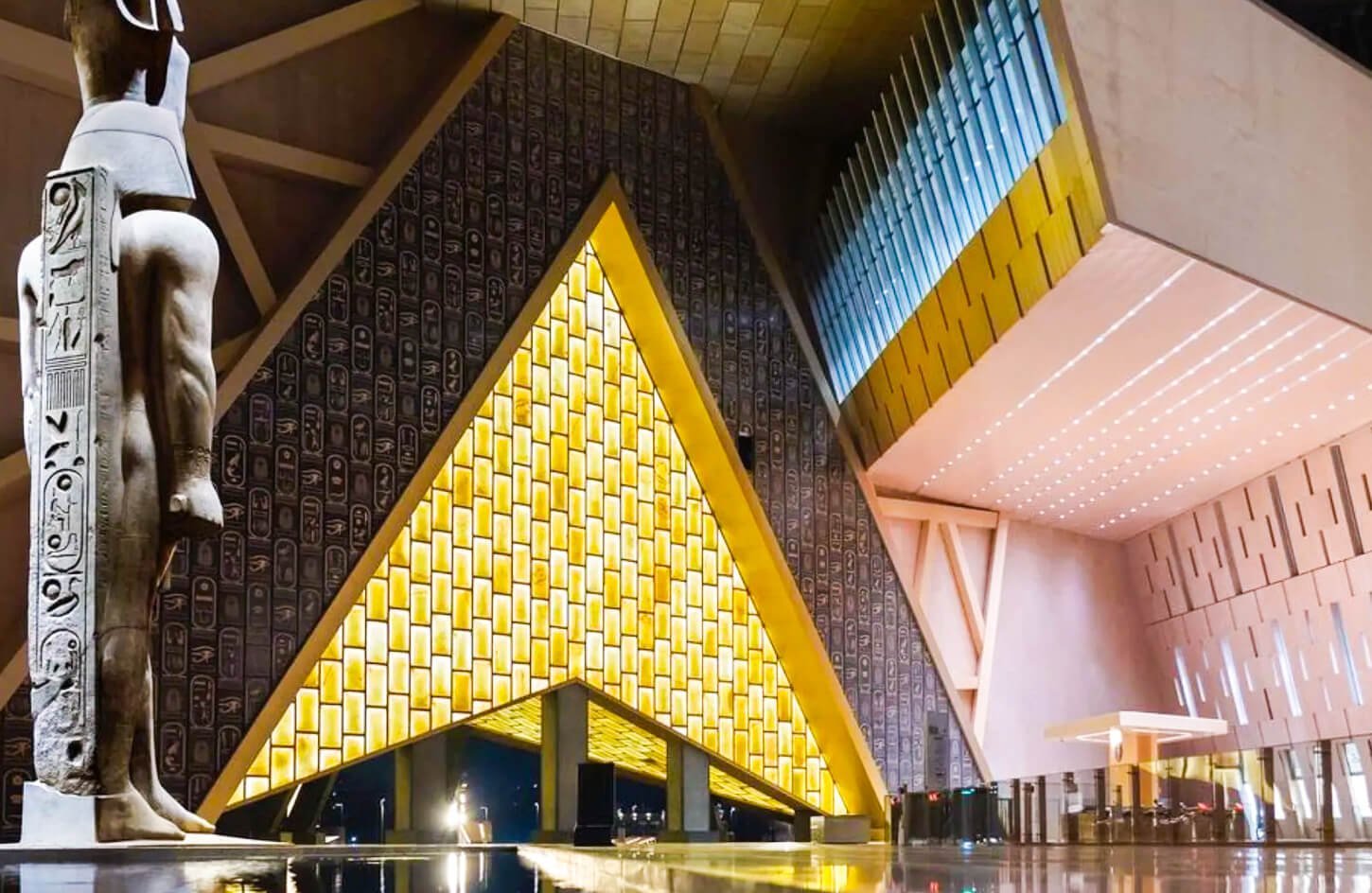
Opened in 2023, the Grand Egyptian Museum represents Egypt’s most ambitious cultural project. This glass-fronted architectural marvel houses over 50,000 artifacts near the Giza Pyramids. Moreover, the museum’s scale and technology set new standards for archaeological presentation worldwide.
The building’s design incorporates pyramid symbolism while maintaining thoroughly modern functionality. Ramses II’s colossal statue greets visitors in the soaring atrium. Furthermore, floor-to-ceiling windows frame the Giza Pyramids as a dramatic backdrop.
State-of-the-art conservation labs operate behind glass walls, allowing visitors to watch experts preserving ancient treasures. Interactive displays use virtual reality and augmented reality to recreate ancient Egypt. Meanwhile, the museum’s IMAX theater presents documentary films about Egyptian archaeology.
Complete Tutankhamun Experience
For the first time, Tutankhamun’s complete burial collection displays together in purpose-built galleries. Previously, space limitations meant many treasures remained in storage. Additionally, new discoveries from recent excavations join the famous golden mask.
Exclusive highlights:
- Full Tutankhamun collection – Over 5,000 artifacts displayed together
- Royal chariot hall – Ancient vehicles reconstructed to original glory
- Pyramid view terraces – Stunning photo opportunities
- Conservation labs – Watch experts at work behind glass
- Virtual reality experiences – Walk through ancient Egyptian tombs
Time saver: Purchase tickets online to skip entrance queues. Visit after 3 PM when tour groups depart and golden hour light enhances pyramid views. Moreover, the museum’s restaurants offer convenient dining with archaeological atmosphere.
9. Museum of Modern Egyptian Art: National Artistic Identity
Egypt’s Modern Art Movement
The Museum of Modern Egyptian Art chronicles Egypt’s artistic development from the 19th century through contemporary times. This collection demonstrates how Egyptian artists adapted international modernist movements to local themes and traditions. Moreover, the museum provides essential context for understanding contemporary Egyptian cultural identity.
Pioneer artists like Mahmoud Mukhtar and Ragheb Ayad established distinctly Egyptian approaches to modern art. Their works balance Western artistic techniques with pharaonic and Islamic visual traditions. Furthermore, later generations continued developing uniquely Egyptian artistic voices.
The museum’s Opera House location connects visual arts with Egypt’s broader cultural renaissance. Modern Cairo’s cultural district includes the National Theater, Cairo Symphony Hall, and several smaller performance venues. Meanwhile, the surrounding gardens provide sculpture display areas and peaceful reflection spaces.
Sculpture, Painting, and Contemporary Works
The museum’s sculpture collection includes works that reinterpret ancient Egyptian forms through modern sensibilities. Mahmoud Mukhtar’s “Egypt’s Renaissance” became a national symbol of independence and cultural pride. Additionally, contemporary sculptors continue exploring themes of identity and social change.
Collection strengths:
- Pioneer modernists – Works by Mahmoud Mukhtar and contemporaries
- Contemporary paintings – Social realism and abstract expressionism
- Sculpture garden – Large-scale works in outdoor settings
- Temporary exhibitions – Rotating displays of current Egyptian artists
- Educational programs – Workshops and lectures about Egyptian art history
Cultural context: Understanding these works requires knowledge of Egypt’s complex 20th-century history. Moreover, many pieces address themes of nationalism, social change, and cultural identity that remain relevant today.
10. Cairo Opera House Galleries: Performance Meets Visual Art
Cultural Hub with Multiple Exhibition Spaces
The Cairo Opera House complex houses several galleries that complement its performance programs. These spaces present exhibitions ranging from classical Egyptian art to international contemporary works. Moreover, the venues benefit from the Opera House’s sophisticated infrastructure and cultural programming.
The Main Gallery occupies a prominent position within the Opera House building. High ceilings and professional lighting systems create ideal exhibition conditions. Furthermore, opening receptions often coordinate with opera or ballet performances to create comprehensive cultural evenings.
The complex’s Small Gallery provides intimate settings for experimental or emerging artists. These spaces encourage artistic risk-taking and community engagement. Meanwhile, the Outdoor Sculpture Gallery displays large-scale works throughout the Opera House grounds.
Diverse Programming and Cultural Events
Cairo Opera House galleries present approximately 20 exhibitions annually across multiple venues. Programming includes retrospectives of established Egyptian artists, international touring exhibitions, and experimental contemporary works. Additionally, educational programs connect visual arts with the Opera House’s music and dance presentations.
Gallery programming:
- Master artist retrospectives – Career-spanning exhibitions of major figures
- International collaborations – Cultural exchange exhibitions
- Young artist showcases – Platforms for emerging talents
- Mixed media presentations – Exhibitions combining visual and performing arts
- Educational workshops – Programs connecting schools with professional artists
Evening advantage: Coordinate gallery visits with opera or ballet performances for complete cultural experiences. Moreover, the Opera House restaurants provide sophisticated dining options with Nile views.
Essential Visiting Tips for Cairo’s Cultural Scene
Planning Your Cairo Museums Route
Cairo museums and art galleries cluster in several distinct areas that allow efficient visiting strategies. Downtown Cairo houses contemporary galleries within walking distance of each other. Meanwhile, Islamic Cairo’s institutions require more travel time but offer deeper historical immersion.
Geographic clusters:
- Tahrir Square area – Egyptian Museum and surrounding cultural sites
- Islamic Cairo – Museum of Islamic Art, Gayer-Anderson, and traditional crafts
- Old Cairo – Coptic Museum and religious heritage sites
- Giza – Grand Egyptian Museum and pyramid complex
- Zamalek/Opera House – Contemporary galleries and cultural venues
Time management: Allow full days for major Cairo museums like the Egyptian Museum and Grand Egyptian Museum. Moreover, smaller galleries work well as afternoon visits or cultural tour additions.
Practical Considerations and Local Insights
Many Cairo cultural institutions close on Mondays or have limited Friday hours. Check current schedules before planning visits. Furthermore, Ramadan affects operating hours and visitor patterns at all cultural venues.
Professional tips:
- Buy combination tickets when available for multiple venues
- Hire qualified guides for historical context and insider access
- Visit air-conditioned venues during hot afternoon hours
- Respect photography policies – Some venues restrict camera use
- Dress appropriately for religious and traditional sites
Cultural Tour Benefits and Expert Guidance
Navigating Cairo museums and gallery landscape requires local knowledge and cultural sensitivity. Independent exploration often means missing hidden treasures and important historical contexts. Moreover, language barriers can prevent meaningful interactions with curators and artists.
Professional cultural guides provide access to restricted areas and behind-the-scenes experiences. They understand current exhibition schedules and can adapt itineraries to match specific interests. Furthermore, expert guides explain complex historical and artistic concepts that enhance appreciation.
Easy Cairo Transfer’s cultural tours connect visitors with Cairo’s most knowledgeable art historians and museum specialists. Our guides maintain relationships with curators and artists that provide exclusive insights. Moreover, we handle logistics while you focus on cultural discovery.
Conclusion
Cairo museums and art galleries offer cultural experiences that rival any global destination. From ancient pharaonic treasures to cutting-edge contemporary art, these institutions preserve and celebrate human creativity across millennia. Moreover, the city’s cultural landscape continues evolving as new venues open and established institutions expand their programming.
These ten exceptional venues represent Cairo’s cultural diversity and artistic excellence. Each offers unique perspectives on Egyptian heritage while contributing to ongoing cultural conversations. Furthermore, the contrast between ancient collections and contemporary presentations creates dialogues between past and present that illuminate both historical and current concerns.
However, maximizing visits to these world-class institutions requires careful planning and local expertise. Understanding cultural contexts, navigating complex locations, and accessing special exhibitions demands professional guidance. Moreover, language skills and institutional relationships provide opportunities that independent visitors often miss.
Ready to explore Cairo’s incredible cultural heritage? Book a private museum tour with Cairo Day Tours for expert insights and exclusive access! Our qualified cultural guides provide historical context, arrange skip-the-line access, and reveal hidden gems that typical tourists never discover. Moreover, we customize itineraries to match your specific interests and available time.
Don’t settle for surface-level Cairo museums visits. Instead, dive deep into Egypt’s artistic legacy with guides who bring these collections to life through expert storytelling and insider knowledge. Contact us today and transform your Cairo cultural experience from ordinary sightseeing into extraordinary discovery!

